Join SimpleKaro Newsletter For The Latest Updates!

Startup Due Diligence in India: Navigating the Investor Scrutiny
Ready for funding? Learn about Due Diligence for Indian startups. This guide…


Ready for funding? Learn about Due Diligence for Indian startups. This guide…
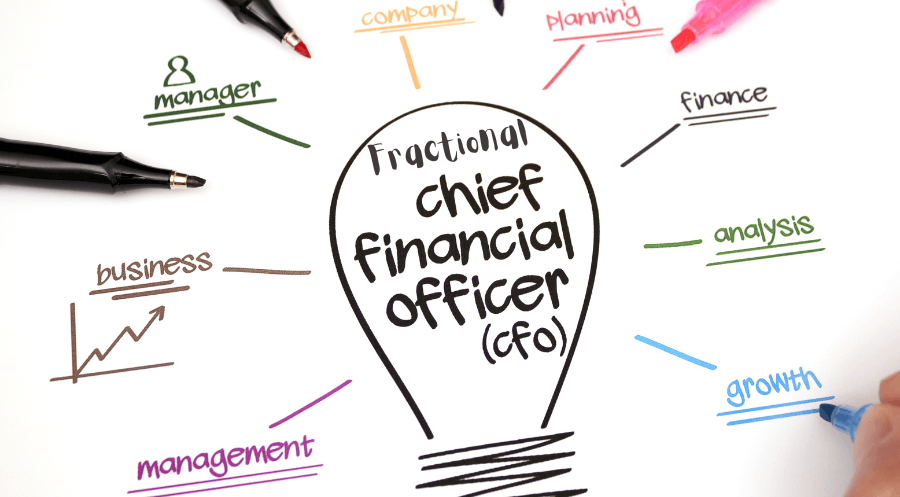
Indian startups can now access elite financial leadership at a fraction of…

India’s startup ecosystem is booming, yet a high failure rate persists. This…
Join SimpleKaro Newsletter For The Latest Updates!
India’s entrepreneurial landscape is characterized by remarkable dynamism and rapid growth, positioning the nation as a global leader in startup activity. Despite the vibrant energy and significant investment, a critical disparity exists between the sheer volume of new ventures and their long-term viability. Data indicates an alarmingly high failure rate, with nearly 90% of Indian startups ceasing operations within their first five years. This trend is further underscored by reports revealing that over 15,921 startups shut down in 2023, with another 12,717 following suit in 2024, alongside a declining rate of new startup launches.
This report aims to dissect the five most prevalent mistakes that contribute to these high failure rates among Indian startups. By examining these common pitfalls through a data-driven lens, the analysis seeks to provide current and aspiring entrepreneurs with a clear understanding of the challenges and, more importantly, offer concrete, actionable strategies to circumvent them. The objective is to equip founders with the knowledge to build resilient, lasting companies that prioritize substance over fleeting trends and sustainable growth over rapid, unmanaged expansion.
To frame the core challenges, the following table summarizes the five common mistakes and their critical impact on new ventures:
| Mistake | Description | Impact |
| 1. Lack of Product-Market Fit | Building products or services without adequately validating genuine market demand or solving real problems. | Wasted resources, high customer churn, expensive user acquisition, and eventual business collapse. |
| 2. Poor Financial Planning & Rapid Cash Burn | Underestimating operational costs, over-optimistic revenue projections, and inefficient management of funds, leading to rapid depletion of capital. | Running out of capital, inability to sustain operations, and bankruptcy. |
| 3. Inadequate Team & Leadership | Hiring based on personal connections rather than skills, lack of experienced founders, misaligned co-founder visions, and internal conflicts. | Inefficient decision-making, stagnation, inability to execute, and ultimately, company collapse. |
| 4. Neglecting Digital Marketing & Branding | Over-reliance on traditional marketing, failure to establish a strong brand identity, inconsistent messaging, and overlooking user experience (UX) in a digital-first economy. | Low market visibility, weak brand image, inability to resonate with target audiences, and missed growth opportunities. |
| 5. Premature Scaling & Lack of Adaptability | Expanding operations too quickly before establishing a strong foundation, ignoring regional market nuances, and failing to pivot in response to changing market dynamics. | Operational inefficiencies, compromised quality, financial strain, and becoming irrelevant in a competitive landscape. |
A fundamental reason behind the high failure rate of Indian startups is the pervasive issue of not achieving product-market fit (PMF). This occurs when a startup develops a product or service without a genuine, validated market need, often prioritizing innovation for innovation’s sake rather than addressing real customer pain points. A significant 61% of Indian investors identify poor product-market fit as the primary killer of startups, followed by cash flow issues. The consequence is a product that excites investors but fails to resonate with users, leading to wasted resources, high customer churn, expensive user acquisition efforts, and ultimately, business collapse.
Many Indian entrepreneurs, particularly those in Tier II and Tier III cities, often chase trends copied from Silicon Valley without understanding the unique regional diversity of India. This disregard for local problems, payment behaviors, digital literacy, and infrastructure realities means a business model thriving in an urban center might completely fail in a rural setting. This is not merely a missed opportunity but a critical misjudgment of the “India Scale” – a false promise if not approached with a nuanced, localized strategy.
To avoid this pitfall, startups must deeply understand their target customers. This involves extensive research through surveys, interviews, and real-world observation to identify who the product is being built for and what specific problems it will solve. Instead of aiming for perfection immediately, launching a Minimum Viable Product (MVP) that solves one core problem exceptionally well allows for rapid feedback loops and iterative development. Continuous refinement based on user feedback, coupled with tracking engagement metrics like session duration, feature usage, and Net Promoter Score (NPS), is essential for aligning the product with evolving customer needs. For instance, Zomato’s success stemmed from its ability to solve real-world pain points using technology, consistently adapting to market needs and prioritizing customer experience, which allowed it to achieve organic traction. Conversely, TinyOwl, a food ordering startup, expanded rapidly across 50 cities without ensuring local demand or operational readiness, scaling before validating its market need, which ultimately contributed to its downfall.
Insufficient financial planning is another leading cause of startup failure in India, with approximately 82% of thwarted startups attributing their demise to an inability to manage cash flow effectively. Many entrepreneurs underestimate the true cost of starting and running a business, overestimate their potential for quick profits, or simply spend too much too soon. This often manifests as burning through capital on non-essential expenses like flashy office spaces, over-hiring, or failing to track inventory, leading to financial collapse.
The allure of significant funding, with India’s startup ecosystem attracting over $150 billion between 2014 and 2024, can sometimes mask a lack of a sustainable business model. Many startups focus on achieving high valuations rather than building intrinsic value, leading to high customer acquisition costs and extravagant marketing budgets that drain resources before a return is seen. This emphasis on valuation over value creation can lead to a “burn through cash” mentality, where funds are raised merely to survive in an overhyped market.
To mitigate this risk, meticulous budgeting and diligent expense tracking are paramount. Startups should work with financial experts or Certified Public Accountants (CPAs) and utilize simple accounting tools like Zoho Books or Tally to maintain clear visibility of income and expenses. Planning for the long run, maintaining sufficient cash reserves, and practicing frugal spending in the early stages are crucial. Zoho, for example, achieved billion-dollar valuation through a bootstrapped model, funding its growth through its own resources and revenue, demonstrating the power of financial discipline and independent growth without external investor pressures. This approach allowed Zoho to focus on long-term goals and build a sustainable business, a stark contrast to companies like TinyOwl, which burned through Rs 8-10 crore monthly due to over-expansion and unsustainable growth strategies.
The absence or inadequacy of crucial skills within a startup team, coupled with leadership failures, significantly hampers progress and contributes to nearly 23% of startup failures. It is common for Indian entrepreneurs to hire based on personal connections rather than objective skills, or for co-founders to lack shared goals and vision. This can lead to internal conflicts, power struggles, and inefficient decision-making, ultimately causing stagnation and collapse.
The “hustle culture” often celebrated in the startup world can sometimes overlook the importance of emotional intelligence and operational maturity in leadership. While passion drives startups, execution sustains them, and many founders struggle with leadership, hiring, and decision-making as their companies grow without the right experience or mentorship. India’s leadership pipeline, particularly among first-generation entrepreneurs, remains underdeveloped, creating a mentorship deficit where founders often operate in “echo chambers” rather than receiving constructive criticism.
To build a resilient team, founders must prioritize hiring diverse talent based on skills and experience, rather than solely on familiarity. Establishing an honest, inclusive, and dependable startup culture that encourages employee retention through timely remuneration, prompt feedback, and addressing diversity, equity, and inclusion (DEI) issues is vital. Seeking experienced mentors who can provide strategic guidance and challenge assumptions is also crucial for navigating the complexities of scaling a business. Infosys, co-founded by N. R. Narayana Murthy, exemplifies strong leadership and team development, with a focus on corporate governance, ethical practices, and a global delivery model that fosters innovation and empowers employees. Their emphasis on developing leaders through programs like the Infosys Leadership Institute highlights the long-term investment in human capital that underpins sustained success.
In today’s digitally-driven world, many Indian entrepreneurs make the mistake of focusing solely on traditional marketing methods or assuming word-of-mouth will suffice, neglecting the immense power of digital marketing and a well-defined brand identity. This oversight can lead to low market visibility, a weak brand image that fails to resonate with the target audience, and ultimately, missed growth opportunities.
A common branding mistake is overlooking or underestimating the power of a well-defined brand identity, which is far more than just a logo or slogan. Inconsistent branding across platforms, neglecting content creation, and ignoring user experience (UX) can significantly harm a brand’s reputation and ability to attract and retain customers. In a competitive market, a lack of a clear Unique Selling Proposition (USP) can make a startup indistinguishable, leading to severe failures despite significant time and money investment.
To avoid these pitfalls, startups must embrace digital marketing early and develop a strong, consistent brand identity across all touchpoints. This includes investing in SEO, leveraging social media, and creating engaging content like blogs, video tutorials, and product reviews to inform and build trust with the audience. Prioritizing user experience (UX) in product design and interface is crucial for attracting new customers and retaining existing ones through positive word-of-mouth. Mamaearth, for instance, adopted a digital-first strategy, leveraging social media and influencer collaborations to build a robust online presence and a loyal customer base, demonstrating how a strong digital marketing strategy can drive rapid growth. Similarly, boAt positioned itself as a lifestyle brand, utilizing online marketing, youth icons, and a deep understanding of consumer needs to create a strong brand identity and community of “boAtheads”. Nykaa’s success also highlights the importance of a refined digital marketing strategy, combining targeted ads, influencer collaborations, and a customer-centric approach to build trust and loyalty.
Excitement from early success can lead some Indian entrepreneurs to scale their businesses too quickly before establishing a strong foundation, a mistake known as premature scaling. This can result in operational inefficiencies, compromised quality, strained customer service, and significant financial pressure, creating a “growth trap” where the business struggles to meet its obligations.
The Indian market is dynamic, with rapid changes in consumer behavior, technological advancements, and increasing competition. Startups that fail to adapt to these transformations risk becoming outdated and irrelevant. This includes ignoring the regional diversity of India, where a “one-size-fits-all” approach to scaling can lead to failure due to variations in payment behaviors, digital literacy, and infrastructure across different regions.
To avoid premature scaling, startups must focus on getting their core product or service right and ensuring customer satisfaction before aggressive expansion. This involves testing new branches or product lines on a small scale before investing heavily. Adaptability is key; businesses must be willing to pivot their strategies in response to new information or market shifts. Continuous market research and staying attuned to customer preferences are essential for sustained success. OYO Rooms, for example, achieved aggressive expansion by leveraging technology to standardize services and provide a seamless booking experience, focusing on quality and consistency across its properties. In contrast, Housing.com expanded too rapidly into markets with low demand and underestimated the operational work needed, leading to significant cash burn and operational challenges. TinyOwl also provides a cautionary tale, as its over-expansion to 50 cities without sufficient operational readiness or local demand led to unmanageable cash burn and eventual shutdown.
To provide a concise roadmap for Indian entrepreneurs, the following table summarizes key strategies to navigate and overcome the common mistakes discussed:
| Mistake | Key Avoidance Strategy | Actionable Steps/Examples |
| Lack of Product-Market Fit | Conduct rigorous market research and deeply understand customer pain points before building. | Talk to potential customers; use tools like Google Trends; build a Minimum Viable Product (MVP); iterate based on feedback; track engagement metrics like NPS. |
| Poor Financial Planning & Rapid Cash Burn | Implement meticulous budgeting, diligent expense tracking, and prioritize capital efficiency. | Get a money expert/CPA; use accounting tools (Zoho Books, Tally, QuickBooks); plan for the long run; maintain cash reserves; practice frugal spending; learn from bootstrapped successes like Zoho. |
| Inadequate Team & Leadership | Build a diverse, skilled, and aligned team, fostering a culture of transparency and continuous development. | Hire based on skills, not just connections; provide prompt feedback and fair remuneration; address DEI issues; seek experienced mentors; foster emotional intelligence and operational maturity. |
| Neglecting Digital Marketing & Branding | Embrace digital marketing early and establish a strong, consistent brand identity with a clear USP. | Develop a strong brand identity beyond just a logo; ensure consistent branding across all platforms; create engaging content (blogs, social media); prioritize user experience (UX); leverage influencer marketing; learn from Mamaearth, boAt, Nykaa. |
| Premature Scaling & Lack of Adaptability | Focus on achieving product-market fit and operational stability before aggressive expansion, and remain agile to market changes. | Focus on getting it right first; test new expansions on a small scale; be willing to pivot business models; conduct continuous market research; localize offerings for India’s diverse regions. |
The journey of an Indian startup is undoubtedly challenging, marked by a high rate of attrition. However, a critical examination of common failures reveals that many stem from avoidable mistakes rather than insurmountable external forces. The analysis underscores that success in India’s dynamic market hinges on a strategic and disciplined approach to fundamental business principles.
Foremost among these is the imperative of achieving genuine product-market fit. Building a solution for a non-existent problem or failing to adapt it to India’s diverse regional nuances is a direct path to failure. Equally vital is meticulous financial planning and a disciplined approach to cash flow, ensuring that capital is deployed efficiently to build value rather than merely chasing valuations. Furthermore, the strength of a startup lies in its people; cultivating a skilled, aligned, and well-led team is non-negotiable for sustainable growth. In an increasingly digital economy, a robust digital marketing strategy and a clear, consistent brand identity are essential for visibility and customer connection. Finally, the temptation of premature scaling must be resisted in favor of a measured, adaptable growth strategy that prioritizes operational stability and responsiveness to market shifts.
By internalizing these lessons and proactively addressing these five common pitfalls, Indian entrepreneurs can significantly enhance their chances of success, transforming ambitious ideas into resilient, impactful businesses that contribute meaningfully to India’s economic future. The path forward demands a mindset that values resilience over speed, substance over style, and sustainability over fleeting stardom.